
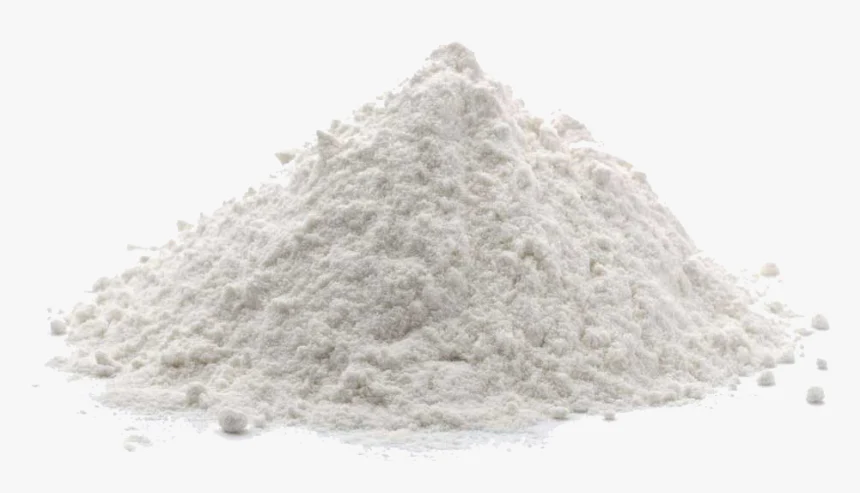
Calcium Sulphate - Gypsum Powder
Food Grade Brewing supplies
A$4.00
Out of stock
Enhance your yields and improve substrate structure with our finely ground, food-grade gypsum powder. A small addition makes a big difference.
Consistency is key in mushroom cultivation, and gypsum (Calcium Sulfate Dihydrate) is the unsung hero of a successful bulk substrate. By adding a small percentage to your mixes, you're not just feeding your mushrooms—you're optimizing the entire growing environment.
Our high-purity, food-grade gypsum is finely ground for easy mixing and even distribution. It acts as a buffer against pH swings, provides essential calcium and sulfur, and improves the physical structure of your substrate. Whether you're doing a classic CVG (Coir, Vermiculite, Gypsum) mix or supplementing straw or sawdust, a little gypsum goes a long way toward achieving those full, healthy flushes.
Why Add Gypsum?
pH Buffer: Prevents your substrate from becoming too acidic, which can stall growth and invite contaminants.
Nutrient Source: Provides bioavailable calcium and sulfur, essential elements for robust mushroom formation and enzyme production.
Improves Structure: Helps prevent substrate from matting down into a dense, anaerobic clump, allowing for better water retention and air exchange.
How to Use Gypsum Powder in Substrates
Using gypsum is simple, but proper ratios are important. Here is how to incorporate it into your standard mushroom cultivation practices.
1. The "Magic" Ratio
The standard recipe used by most cultivators is based on the dry weight of your primary ingredient (like coir, straw, or sawdust).
Standard Dosage: Add 5% gypsum to your mix.
In Practice: For every 1 kg (or 1 lb) of dry coir/straw, you would add 50 g (or 0.5 lb) of gypsum.
2. How to Mix for Different Substrates
A. For CVG or Manure Mixes (Coir, Vermiculite, & Gypsum)
This is the most common use for gypsum.
Measure Dry: In a large bucket or tub, combine your dry ingredients. For a standard CVG mix: 1 brick of coir (approx. 650g), 2 quarts of vermiculite, and 1 cup (approx. 150-200g) of gypsum powder.
Mix Thoroughly: Use your hands or a trowel to mix the dry ingredients together until the gypsum is evenly distributed. The coir should take on a slightly greyish tint.
Add Boiling Water: Pour in the recommended amount of boiling water (usually 16-20 cups) and stir vigorously.
Let it Cool: Cover and let the substrate cool and pasteurize overnight. The gypsum will be integrated throughout.
B. For Straw or Sawdust Substrates (Hydrated)
Prepare Your Base: Chop and hydrate your straw or sawdust using your preferred method (hot water pasteurization or cold lime bath).
Drain: Once hydrated, drain the excess water. The substrate should be at field capacity (a few drops of water squeeze out when you wring a handful).
Sprinkle & Mix: While the substrate is still warm and damp, sprinkle the gypsum powder evenly over the pile (using the 5% ratio of the original dry weight). Toss and mix the substrate thoroughly to ensure the gypsum coats the material.
Inoculate: Once cooled to room temperature, your supplemented substrate is ready for spawning.
C. For Grain Spawn (Optional)
Some cultivators add a tiny pinch of gypsum (about 1 teaspoon per quart of dry grain) during the simmering or drying phase. This helps prevent the grains from sticking together and provides a small nutrient boost right from the start.
Pro-Tips for Best Results
Don't Skip the Mix: Because gypsum is a powder, it can settle. Make sure you mix it in thoroughly at the dry stage (if possible) and again when you add water.
Gypsum is not Lime: Do not substitute gypsum for hydrated lime (for cold pasteurization) or vice versa. They serve different purposes. Gypsum is a gentle buffer and nutrient source.
Storage: Store your gypsum powder in a cool, dry place. If it gets clumpy from humidity, you can break up the clumps with a whisk or fork before using.
Copyright 2026 Underground Network Mycology Supplies Western Australia.